

Arkikus - Flaviobriga
Arkikus - Flaviobriga is made and published by PATRIMONIO VIRTUAL, SOCIEDAD LIMITADA. AppBrain is an independent app data site and isn't affiliated with PATRIMONIO VIRTUAL, SOCIEDAD LIMITADA. The app name, icon, screenshots and description belong to PATRIMONIO VIRTUAL, SOCIEDAD LIMITADA and are shown as published on the App Store.
AppBrain's verdict
- Last updated
- April 11, 2024
Rankings
App Store top chartsApp Store Rankings for Arkikus - Flaviobriga
Competitors
Similar apps and more from PATRIMONIO VIRTUAL, SOCIEDAD LIMITADAAlternatives to Arkikus - Flaviobriga




More from PATRIMONIO VIRTUAL, SOCIEDAD LIMITADA




Also available on Google Play

Releases
Updates seen on the App Store- Version
- 1.1
- Launched
- April 2021
No changelog data
User feedback
Ratings and reviews on the App StoreComments on Arkikus - Flaviobriga for iOS
We don't have enough comments to show example comments. Please check back later.
Technology
Found in the app by AppBrain- Price
- Free
- App size
- 136.0 MB
- Content rating
- Everyone
Technologies used by Arkikus - Flaviobriga
About the app and developer
About Arkikus - Flaviobriga
Arkikus - Flaviobriga is a travel app developed by PATRIMONIO VIRTUAL, SOCIEDAD LIMITADA.
User Ratings
The app has no ratings yet.
App Information
Arkikus - Flaviobriga is freely available from the App Store. The app size is 136.00 MB. The latest version available is 1.1. The last update was on April 11, 2024.
Technical Requirements
The app has a content rating of Everyone. The app has been available on the App Store since April 2021.
Developer information for PATRIMONIO VIRTUAL, SOCIEDAD LIMITADA
Store listing
By PATRIMONIO VIRTUAL, SOCIEDAD LIMITADA, from the App Store


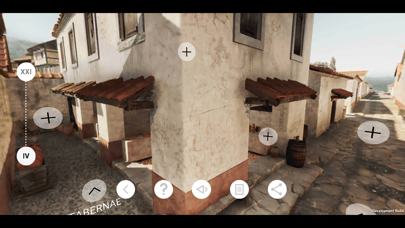
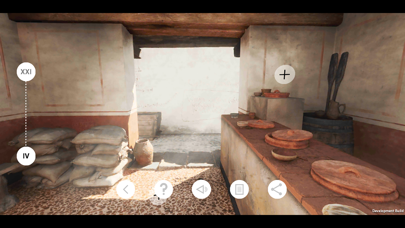
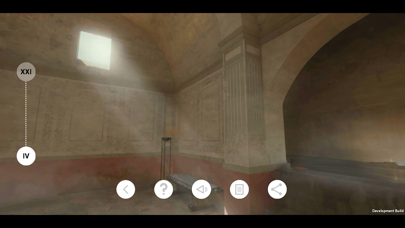

Description by PATRIMONIO VIRTUAL, SOCIEDAD LIMITADA Written by the developer, not by AppBrain. Click to read.
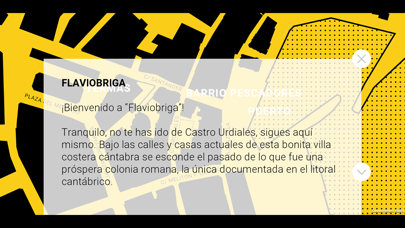
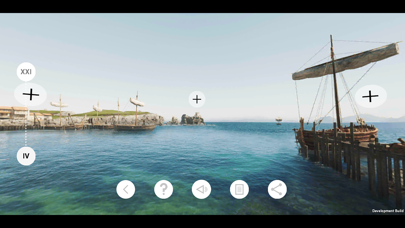
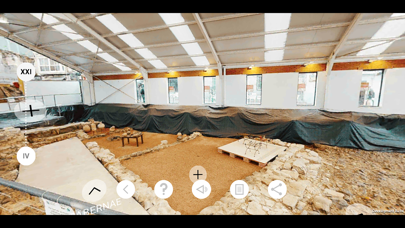
The virtual reconstruction included in this app aims to show how the Roman city of Flaviobriga, currently preserved in the subsoil of Castro-Urdiales (Cantabria, Spain), may have looked in the past, in an immersive and unique experience that shows 4th century AD architecture and scenes in a realistic way.
All the digital content in the mobile app has been developed based on real graphic, documentary and archaeological sources for the reconstructed spaces. Where such original documents for particular elements are no longer available, parallel architectural and/or decorative examples from the same period of time, region and style have been used to ensure the greatest historical accuracy possible. The reconstructions included show an interpretation of the historical surroundings designed in conjunction with specialists based on the information available when the app was created. Future investigations may subsequently alter these interpretations.
Acknowledgements: Pedro Rasines del Río, Ángel Astorqui