

IDVaaS is made and published by WorldReach Software. AppBrain is an independent app data site and isn't affiliated with WorldReach Software. The app name, icon, screenshots and description belong to WorldReach Software and are shown as published on the App Store.
AppBrain's verdict
- Rating on App Store
- 1.33
- 61 ratings
- Last updated
- September 9, 2026
It doesn't have enough ratings yet to judge what users think.
Rankings
App Store top chartsApp Store Rankings for IDVaaS
Competitors
Similar apps and more from WorldReach SoftwareMore from WorldReach Software

Also available on Google Play

Releases
Updates seen on the App Store- Version
- 9.2.1040
- Launched
- April 2025
No changelog data
User feedback
Ratings and reviews on the App StoreComments on IDVaaS for iOS
We don't have enough comments to show example comments. Please check back later.
Technology
Found in the app by AppBrain- Price
- Free
- App size
- 222.0 MB
- Content rating
- Everyone
Technologies used by IDVaaS
About the app and developer
About IDVaaS
IDVaaS is an utilities app developed by WorldReach Software.
User Ratings
IDVaaS is rated 1.33 out of 5 stars. The rating is based on 61 ratings.
App Information
IDVaaS is freely available from the App Store. The app size is 221.99 MB. The latest version available is 9.2.1040. The last update was on September 9, 2026.
Technical Requirements
The app has a content rating of Everyone. The app has been available on the App Store since April 2025.
Developer information for WorldReach Software
Address:
Store listing
By WorldReach Software, from the App Store
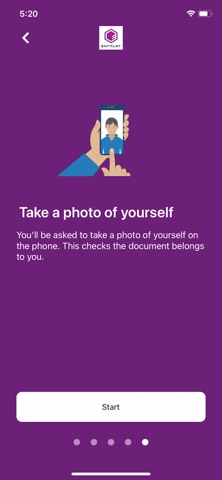
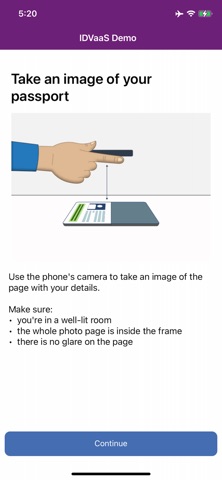
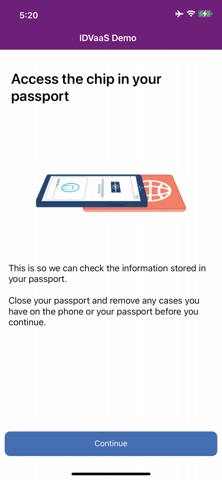


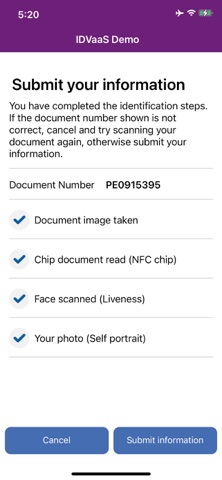
Description by WorldReach Software Written by the developer, not by AppBrain. Click to read.
Key Features
• Smartphone delivery for convenient user access
• Encrypted end-to-end security permits transmission over public networks
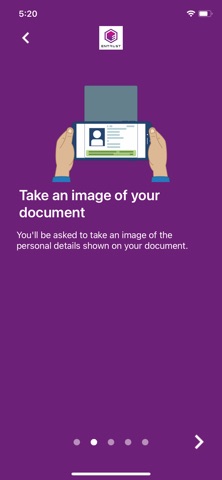
• Step-by-step instructions guide users through application process
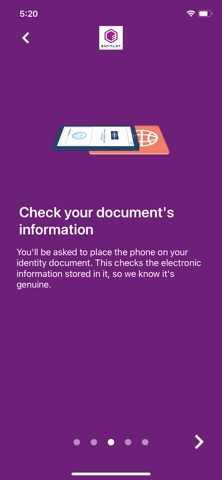
• Uses the smartphone camera and contactless reader (NFC) functionality to read the applicant’s identity documents
• Verifies documentation as authentic and valid
• Facilitates lost or stolen and watchlist checks and alerts
• Supports rules-based workflow functionality for eligibility checks, approvals, and referrals
• Enables a secure verified communication link with applicants
• Configurable rules-based workflow functionality for eligibility checks, approvals, and referrals
• Integrates easily within existing or planned digital enrollment process
• Provides a secure communication link with applicants
• Built-in monitoring and reporting tools for performance and usage
Benefits to Applicants
• A convenient alternative to visiting a biometric enrollment facility
• No physical submission of identity documents is necessary
• Easy-to-follow steps guide the applicant
• A familiar, smartphone-delivered interface
• Users are presented with straightforward information on privacy, their rights, and consent
• Multi-lingual support
• Typically takes about five to 10 minutes for first-time users to complete an application
• Near real-time approval when granted
Benefits to Government
• Does not impose onerous requirements on applicants to submit complex documentation or attend an application facility for biometric enrollment
• No significant facility, infrastructural, or staff requirements
• Scalable to peak volumes
• Hosting options available
• Offers access from anywhere with network reception or a WiFi connection
• Easy to integrate within existing processes and systems
• Rules-based workflow configuration allows easy adaptation to most application processes
• Reduction in manual data entry errors through automated collection of data directly from identity documents via OCR
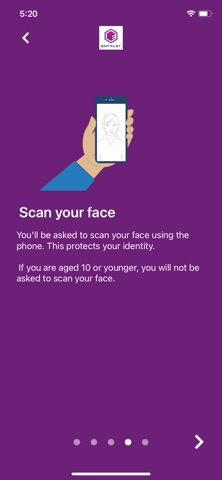
• Secure facial biometric identity verification including liveness detection and other counter-fraud features
• Compliant with international security requirements and privacy regulations, including GDPR and Privacy by Design
• Centralized real-time reporting on usage, locations, trends, and revenues
• Security-by-Design architecture to mitigate risks from untrusted smartphones
• Supports automated or assisted approval models