

My Virtual Armenia
My Virtual Armenia is made and published by Smithsonian Institution. AppBrain is an independent app data site and isn't affiliated with Smithsonian Institution. The app name, icon, screenshots and description belong to Smithsonian Institution and are shown as published on the App Store.
AppBrain's verdict
Established- Rating on App Store
- 3.86
- 7 ratings
- Last updated
- August 25, 2021
It doesn't have enough ratings yet to judge what users think.
Rankings
App Store top chartsApp Store Rankings for My Virtual Armenia
Competitors
Similar apps and more from Smithsonian InstitutionAlternatives to My Virtual Armenia








More from Smithsonian Institution








Releases
Updates seen on the App Store- Version
- 1.1.9
- Launched
- July 2018
No changelog data
User feedback
Ratings and reviews on the App StoreComments on My Virtual Armenia for iOS
We don't have enough comments to show example comments. Please check back later.
Technology
Found in the app by AppBrain- Price
- Free
- App size
- 144.8 MB
- Content rating
- Everyone
Technologies used by My Virtual Armenia
About the app and developer
About My Virtual Armenia
My Virtual Armenia is an education app developed by Smithsonian Institution.
User Ratings
My Virtual Armenia is rated 3.86 out of 5 stars. The rating is based on 7 ratings.
App Information
My Virtual Armenia is freely available from the App Store. The app size is 144.83 MB. The latest version available is 1.1.9. The last update was on August 25, 2021.
Technical Requirements
The app has a content rating of Everyone. The app has been available on the App Store since July 2018.
Developer information for Smithsonian Institution
Address:
Store listing
By Smithsonian Institution, from the App Store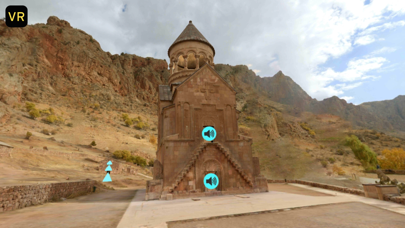


Description by Smithsonian Institution Written by the developer, not by AppBrain. Click to read.
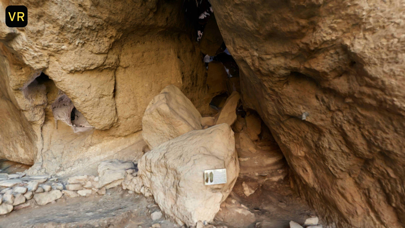
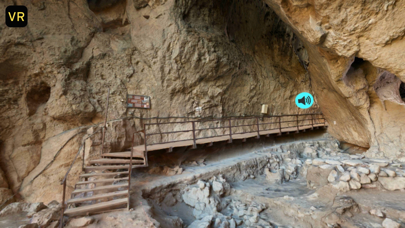
- Areni-1 Cave: The Areni-1 Cave Complex was first investigated in 2007 and has provided valuable insight into the pre-history of the region and the people who lived there 6,000 years ago. The excavations at Areni-1 have shown evidence of burial pots containing the crania of juveniles, well-preserved plant remains, and the oldest leather shoe ever discovered. The site has also revealed a wine press and other winemaking technology, which makes it one of the oldest known locations associated with winemaking.
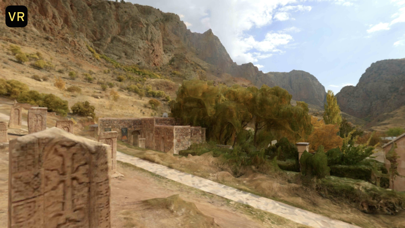
- Noravank Monastery: Noravank Monastery dates back to the 13th and 14th centuries. At the beginning of the 13th century, it was the spiritual center of the region and the residence of the Orbelian princes. The Armenian architect Siranes and the famed miniature painter and sculptor, Momik, also worked here. The site contains many original khachkars, carved Armenian cross stones, many designed by Momik himself.
Please review the Smithsonian Privacy Statement (https://www.si.edu/privacy) and Terms of Use (https://www.si.edu/termsofuse).